Fastener Wikipedia-Why Need Test The Hardness Of Nuts?
The Hardness Testing of Nuts
The hardness testing of Nuts is one of important quality control process to ensure the fastener to meet mechanical properties.
1.What means of hardness of nut
Hex nut hardness measures a nut's resistance to deformation, scratching, and wear, indicating its material strength and proper heat treatment. It ensures the fastener can handle specific stress loads without stripping.
2. Purpose of Hardness Testing
- Material Hardness: Verifies the nut’s resistance to deformation,scratching and wear.
- Heat Treatment Validation: Confirms proper quenching, tempering, or case hardening processes.
- To Match with bolt:The core principle of matching bolts and nuts is that "the grade of the nut should be equal to or higher than that of the bolt." We need to confirm whether the hardness of the nuts falls within grade range in standard, in order to ensure that they can be used together with the correct bolts.
3. Hardness Testing Methods/Advantage/Application
Usually,we used the hardness test machine.See the below picturer.
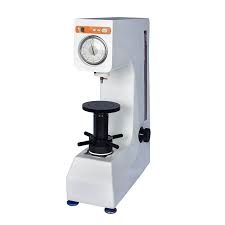
There are three kinds of hardness Method for fastener.
Rockwell Hardness (HRC):
- Method: Uses a 120° diamond cone,the hardness is calculated based on the depth.
- Advantages: direct reading, high speed, suitability for production lines, and minimizes indentation.
- Application: Suitable finished products and high-hardness materials (such as high strength bolt,nut etc)
Brinell Hardness (HB):
- Method: Uses a tungsten carbide ball.
- Advantages: Effective for rough or curved surfaces but after test will left larger marks.
- Application: Often used for larger bolts or raw materials.
Vickers Hardness (HV):
- Method: Uses a 136° diamond square pyramid indenter to measure the diagonal length of the indentation.
- Advantages: The range is extremely wide, from the softest to the hardest materials, including thin sheets and carburized layers.
- Application: Often used for flat sheet, such us washers.
4. Hardness Test Precautions
- Polish the test area: Remove oxide scale, oil, or coatings, ensuring the test surface is flat with a roughness Ra of no more than 1.6 μm, and that the indenter contact point is free of defects (such as scratches or dents)
- test machine calibration
- The same nut needs to be tested at 3 points at different locations, and the average value is taken as the final result. The deviation of a single point from the average value should not exceed 2HRC.
- Sample Testing: General-purpose nuts will be subject to random inspection.
5. Relatived Standards
ASTM Standards: ASTM F606 , A Standard Test Method of Nut (cover the hardness)
ISO/DIN Standards:ISO898-2,Mechanical properties of Nut made of carbon steel and alloy steel (cover the hardness)
SAE Standards: SAE J995,Mechanical and Material Requirements for Steel Nuts (cover the hardness)
6. Importance of Hardness Testing
- Prevents failures due to brittleness (overhardening) or weakness (underhardening).
- Ensures consistency in mass production and compliance with international standards.
In our factory,ZJB Fastener, we will carried on strict quality control throughout the entire production process. Every batch of products need through professional hardness testing to ensure consistent performance, reliability, and compliance with international standards. We are committed to delivering superior quality you can trust. More information pls check our website and about us .


